Waldorf Astoria Osaka Reimagines an American Icon Through Japanese Zen


Occupying the upper floors of the Grand Green Osaka South Park Tower, the hotel overlooks Umekita. This ambitious urban redevelopment has transformed the former freight yard north of Osaka Station into one of the city's most dynamic neighbourhoods. Directly connected to the station itself, the property places Kyoto, Kobe and Nara all within an hour, making it an ideal base for discovering the wider Kansai region. Yet despite its central location, Waldorf Astoria Osaka quickly creates the impression of stepping away from the city's relentless rhythm.

The transition begins upon entering the lobby. Beneath a soaring circular ceiling, bold Art Deco geometry is softened by warm timber, natural stone and carefully diffused lighting. At the centre, a tranquil reflecting pool surrounds a sculptural arrangement of rock, introducing a quiet sense of balance more commonly associated with a Zen garden than a metropolitan hotel. It is an arrival that feels composed rather than theatrical, demonstrating that grandeur need not rely on excess.
That conversation between New York Art Deco and Japanese Zen becomes the defining language of the hotel. Art Deco contributes confident geometry, elegant symmetry and a sense of occasion, while Zen principles introduce calm through natural materials, generous space and restrained decoration. Neither aesthetic dominates the other. Instead, they coexist with remarkable ease, giving the property a distinctive identity that feels both international and unmistakably Japanese.

This philosophy extends seamlessly into the guest rooms. Located on the 31st floor and above, every accommodation enjoys panoramic views across Osaka's skyline, stretching towards Osaka Bay on clear days. Floor-to-ceiling windows transform the city into a constantly changing backdrop, from soft morning light to an intricate tapestry of illuminated streets after sunset.

Inside, the rooms favour restraint over spectacle. Art Deco reveals itself through bespoke furnishings, elegant lines and subtle geometric detailing, while Zen design informs the warm timber finishes, muted palette and uncluttered layout. The result is an environment that immediately slows the pace, allowing guests to settle naturally into the rhythm of their stay.
The bed anchors the room beneath an elegantly crafted headboard, dressed in crisp white linens that reinforce the understated palette. Beside the expansive windows, a dedicated seating area invites quiet moments with coffee, a book or simply the ever-changing skyline beyond. Rather than filling the room with decorative features, every element appears to serve a clear purpose, creating a space that feels carefully considered rather than meticulously staged.
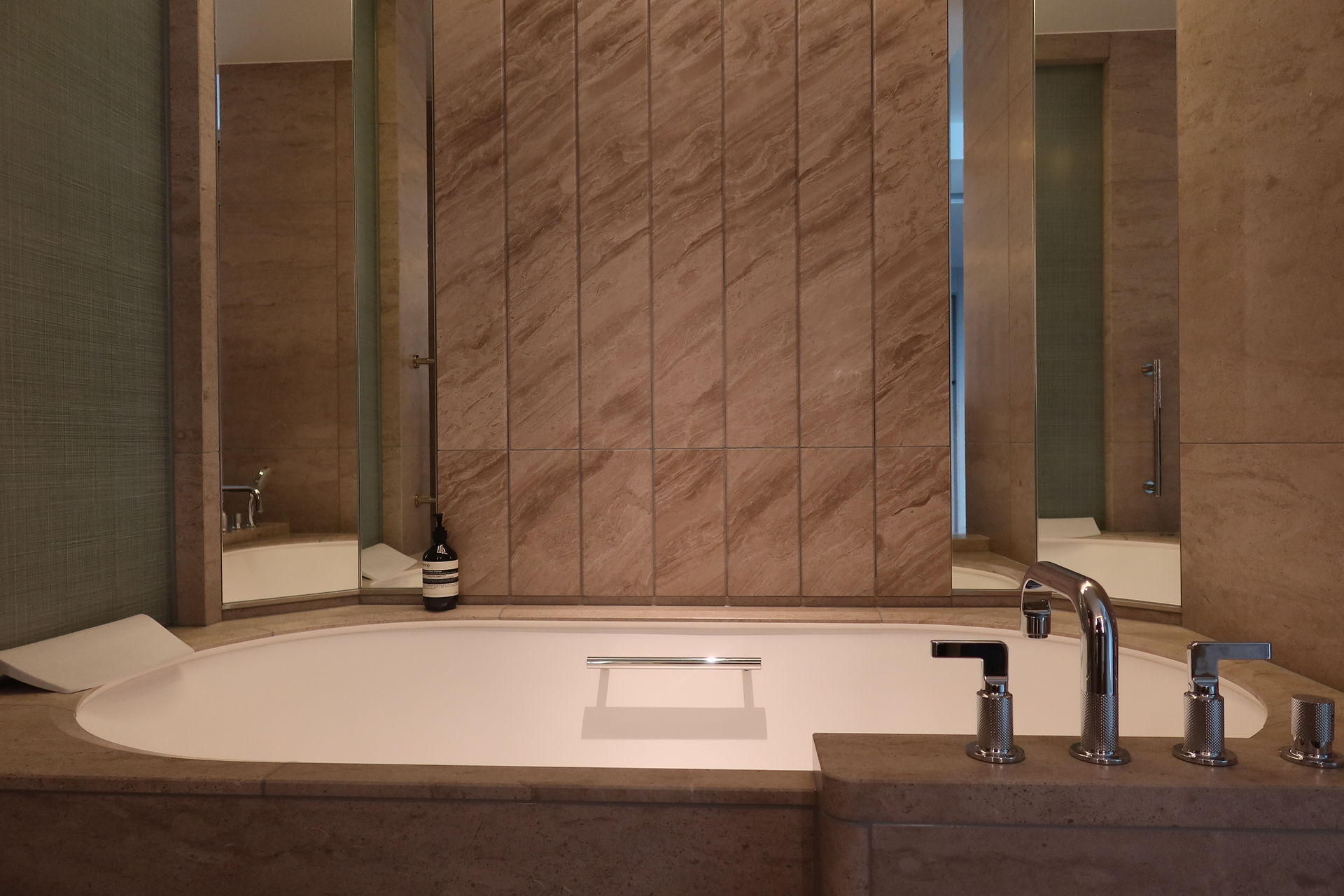


Bathrooms continue the experience with equal confidence. Finished almost entirely in warm natural stone, they possess the atmosphere of a private spa. A deep-soaking bathtub occupies centre stage, encouraging guests to slow down after a day exploring Osaka, while a spacious walk-in rain shower offers a more invigorating alternative. Double vanities offer generous space, complemented by Aesop amenities whose understated presentation perfectly matches the hotel's broader design philosophy.
Attention to detail is evident throughout. Lighting shifts effortlessly between practical brightness and softer evening ambience. Storage solutions disappear into the architecture without interrupting the visual flow. Every material feels carefully selected, every proportion thoughtfully resolved. Luxury is communicated through craftsmanship rather than ornamentation, allowing quality to speak quietly for itself.


The significance of Waldorf Astoria Osaka extends beyond architecture and accommodation. As the first Waldorf Astoria in Japan, the hotel also carries forward one of hospitality's richest culinary legacies. Few hotel brands can genuinely claim to have shaped international dining culture. Yet classics such as Waldorf Salad, Eggs Benedict, and the now-iconic Red Velvet Cake all trace their origins to Waldorf Astoria, making their presence in Osaka, affectionately known as Japan's kitchen, particularly fitting. At the heart of the hotel's dining programme is Jolie, a French-inspired brasserie where French culinary traditions meet Japanese precision in a bright, welcoming setting inspired by the openness of a contemporary Japanese tea pavilion. The restaurant carries this philosophy through every meal, from refined bistro favourites to local specialities, while breakfast offers one of the hotel's highlights. Alongside an extensive buffet of Japanese and international selections, guests can order freshly prepared à la carte dishes, including Eggs Benedict—a fitting choice given the brand's role in popularising the dish. Beautifully poached eggs, rich hollandaise and crisp bacon demonstrate why some classics endure, reflecting the same thoughtful balance of heritage, craftsmanship and understated elegance that defines Waldorf Astoria Osaka itself.


Peacock Alley continues one of the brand's most recognisable traditions. Spanning both the 28th and 29th floors beneath soaring ceilings and floor-to-ceiling windows, it serves as the social heart of the hotel, where stylish guests gather throughout the day for coffee, afternoon tea, light meals and evening cocktails. The dramatic space balances openness with intimacy, offering panoramic views across Osaka whilst maintaining the quiet elegance expected of the Waldorf Astoria name. The menu mirrors the hotel's broader philosophy of cultural dialogue. A delicately prepared seafood open sandwich celebrates freshness and precision without unnecessary embellishment, while the wagyu katsu sandwich elevates a familiar favourite through beautifully toasted bread and exceptionally tender beef. Neither dish attempts to reinvent the genre. Instead, they demonstrate that careful execution often speaks louder than culinary theatrics.
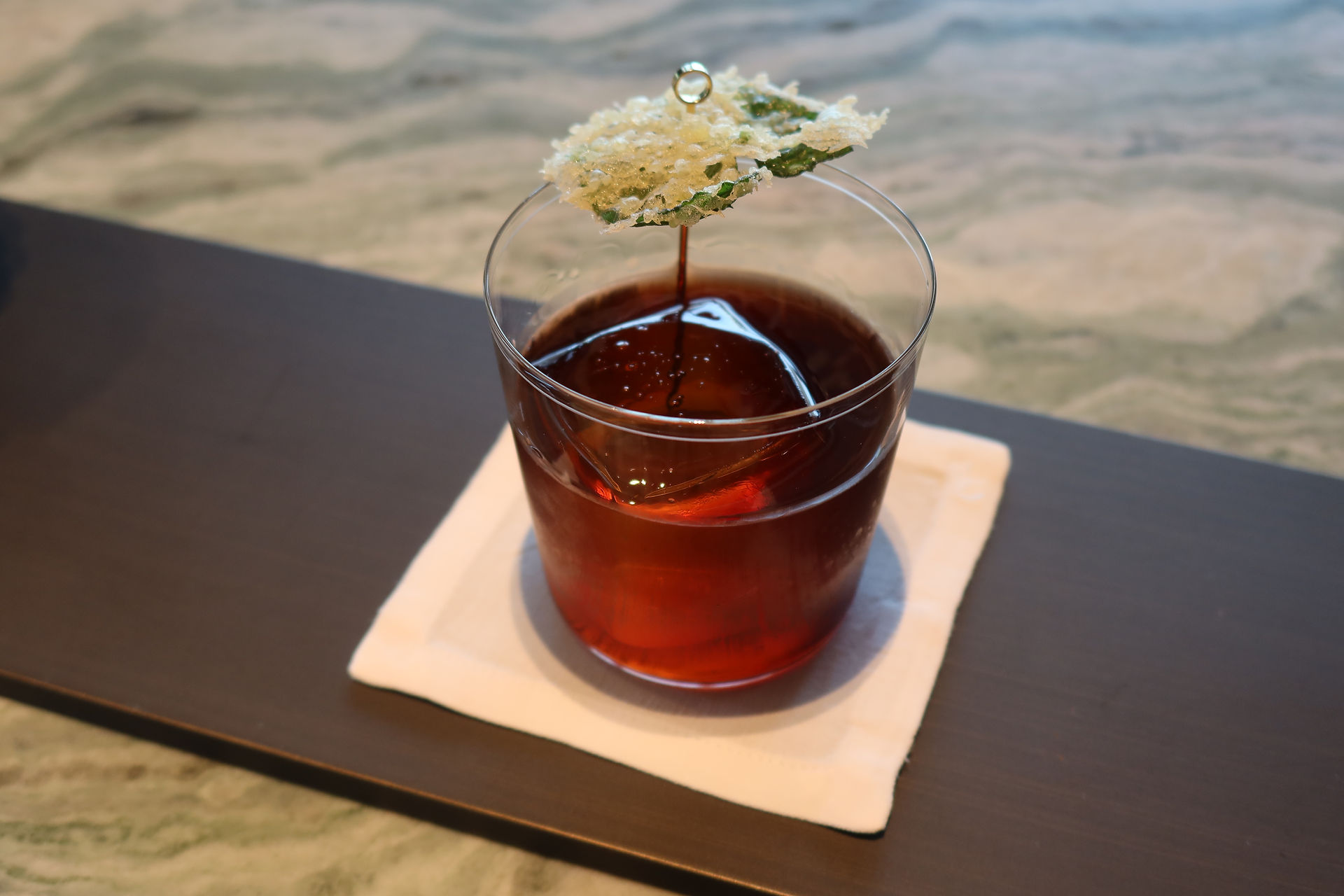

Just beyond Peacock Alley lies Canes & Tales, the hotel's speakeasy-inspired cocktail lounge, where the glamour of the Jazz Age meets contemporary mixology. Rich textures, handmade tiles and silk-screened vintage maps of Osaka create an intimate setting centred around a striking marble bar, while an adjoining terrace opens onto sweeping views of the city's skyline. The atmosphere encourages guests to linger over thoughtfully composed cocktails and refined canapés, reflecting the same quiet sophistication that defines Waldorf Astoria Osaka as a whole.


The sense of tranquillity continues on the 30th floor, where the wellness facilities overlook Osaka through expansive floor-to-ceiling windows. A 20-metre indoor heated swimming pool appears to float above the city, while the vitality Jacuzzi, dry sauna and mist sauna invite guests to slow down after a day spent exploring Kansai. Like the rest of the hotel, the space embraces restraint over extravagance, allowing natural light, panoramic views and a calm material palette to create an atmosphere that feels restorative rather than indulgent, reinforcing Waldorf Astoria Osaka's thoughtful balance between New York sophistication and Japanese Zen.

More than a year after its April 2025 debut, Waldorf Astoria Osaka has moved beyond the novelty of being the brand's first Japanese property. It has become a destination in its own right, shaped as much by Osaka's culture as by Waldorf Astoria's nearly century-long legacy. By allowing New York Art Deco and Japanese Zen to complement rather than compete with one another, the hotel achieves something that many international luxury brands aspire to but few accomplish. It feels neither imported nor imitative. It simply feels at home.
Waldorf Astoria Osaka
Tel: +816 7655 7111
Location: 5-54 Ofukacho, Kita Ward, Osaka, 530-0011, Japan
Credits
Article: Wariya Intreyonk
Photos: Wariya Intreyonk


Comments